Knee Pain
Descending repeatedly loads the front of the knee, and kneecap and patellar tendon problems are the commonest complaint from this area.
Science-Backed, Innovative Care in Leesburg, FL. Schedule Your Appointment.

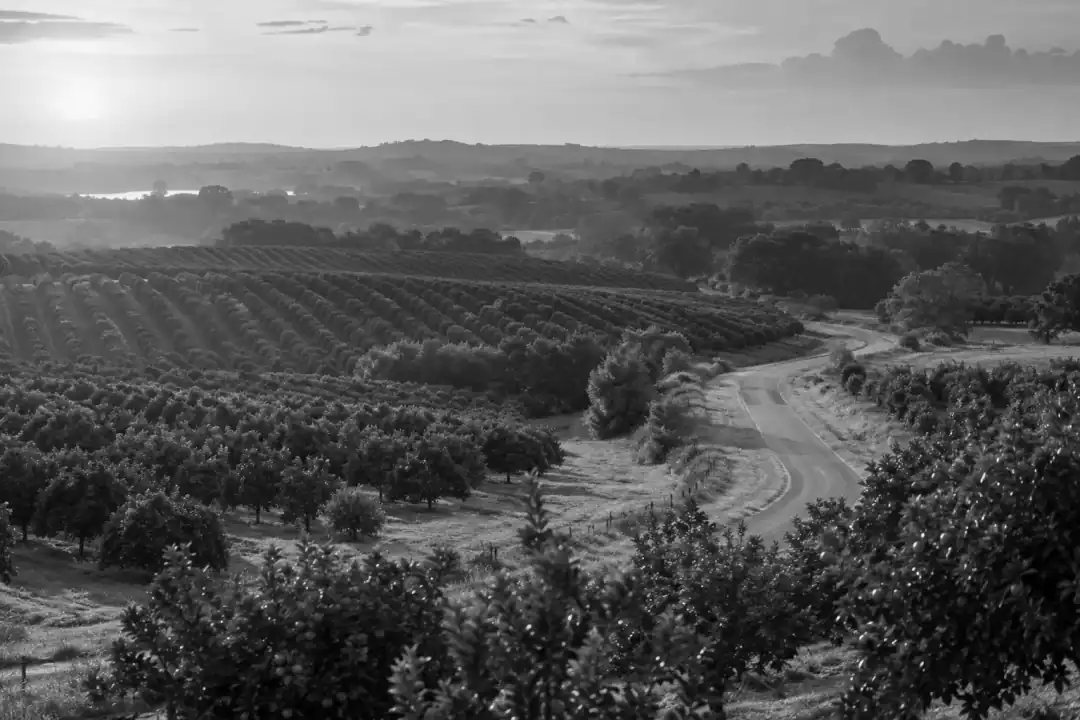
South Lake has the only serious climbs in this part of Florida, and it attracts the people who want them. Hill training produces a specific set of tendon and knee problems, and that is what we see from Clermont.
Google Business ProfileGoogle Verified BusinessMost of Florida is flat. South Lake County is not, and for thirty years its hills have drawn cyclists, runners and triathletes to train around Clermont.
Climbing loads the Achilles, the calf and the front of the knee. Descending works the thigh muscles and the kneecap hard as they brake each step. The South Lake Trail and the climbs around Sugarloaf Mountain send us a fairly predictable set of injuries as a result.
The athletes here take their training seriously. They keep going through a great deal of discomfort, so their problems have often been building for months by the time they come in.
The clinic is in Leesburg, north of Clermont on US-27. There is no south Lake office.
Given the drive, plans for Clermont patients are built around fewer appointments with more in each: a thorough evaluation with ultrasound, a device series compressed where possible, and a training plan that does not require weekly supervision.

The athletes who come to us from Clermont are often older than their training suggests, and many train harder than people half their age.
Hill work concentrates load in a way flat riding and running do not. Repeated climbing strains the Achilles and the patellar tendon. Repeated descending loads the thigh muscles and kneecap as they brake, and that is where most of the knee pain from this area starts.
Endurance athletes are also practiced at ignoring discomfort. A problem that would stop most people in the second week often runs to the twelfth here. By then the tendon has usually changed in structure rather than simply being irritated.
Plans for Clermont patients start with a conversation about your training week. Cutting weekly volume by about a third for six weeks is nearly always part of it, and it is the part patients push back on most.
Descending repeatedly loads the front of the knee, and kneecap and patellar tendon problems are the commonest complaint from this area.
High running volume on hard surfaces produces heel pain, and runners tend to train through it for months.
Most of what arrives from Clermont is an overuse problem tied to a training block rather than a single event.
Chronic Achilles and patellar tendon problems in trained athletes are the main use here, and it is delivered as a compressed series where travel makes that sensible.
Bundled into the same visits so a long drive covers two treatments rather than one.
Endurance athletes are good at continuing through pain. That helps in a race, and it is hard on a tendon.
Problems from Clermont are usually older and more settled than those from anywhere else we see. The plans are longer as a result, and we tell you that at the first visit.
Running volume on hard surfaces, combined with repeated climbing, loads the heel and the Achilles more than any other local activity.
MedlinePlus on heel injuries and disorders covers the range of heel problems and how they differ, which is worth knowing before assuming any heel pain is plantar fasciitis.
Reducing weekly volume by a third for six weeks is the most common recommendation we make to patients from this area, and the one they resist most.
It is also the part of the plan doing the most work. Treatment helps the lighter weeks count. It does not replace them.
The clinic is at 920 E. Dixie Ave. Suite A in Leesburg, north on US-27 through Groveland. Parking is directly outside and the entrance is step-free.
Almost never entirely. Weekly volume usually comes down by about a third for six weeks, and hill work is often what gets reduced first while flat riding or running continues.
Where the treatment allows, yes. We will bundle treatments into the same appointment and space visits further apart rather than ask for a short trip twice a week.
Descending loads the quadriceps and kneecap eccentrically, which is the most demanding way a muscle and tendon can work. Climbing is harder on the lungs and easier on the front of the knee.
Often. Saddle height and position change where the load lands at the knee, and adjusting them sometimes does more than a treatment plan. It is part of the conversation at the evaluation.
No. There is one clinic, in Leesburg, and treatments are bundled so the drive covers more in each visit.
Tell us what is going on and we will find a time. The first appointment is an evaluation and a conversation, and provider time for it is not charged.
A few details about what hurts and when it started. Nothing is scheduled until we have spoken.
Our team confirms a time that works and tells you what to bring, including any imaging or records.
After the evaluation we explain what we found and which options may help. Results vary by individual, and you decide what happens next.
Send the form and the office team will call you back to confirm a time that works. There is no charge for the consultation and no obligation to start care.
Prefer to call? (352) 559-1901. 920 E. Dixie Ave. Suite A, Leesburg, FL 34748.
The booking form needs JavaScript. If it does not appear, call the clinic and we will book you in.
Revive by MWS is conveniently located to serve patients from Fruitland Park, Lady Lake, Tavares, Mount Dora, and Eustis, as well as the surrounding Lake County area.
Schedule a complimentary consultation with Revive by MWS and we will build an individualized care plan around what we actually find. Provider time for that first evaluation is not charged.
Book a complimentary consultationBook your consultationYour privacy choices
We use cookies and analytics to see how this site is used. Nothing optional runs until you choose. Privacy policy