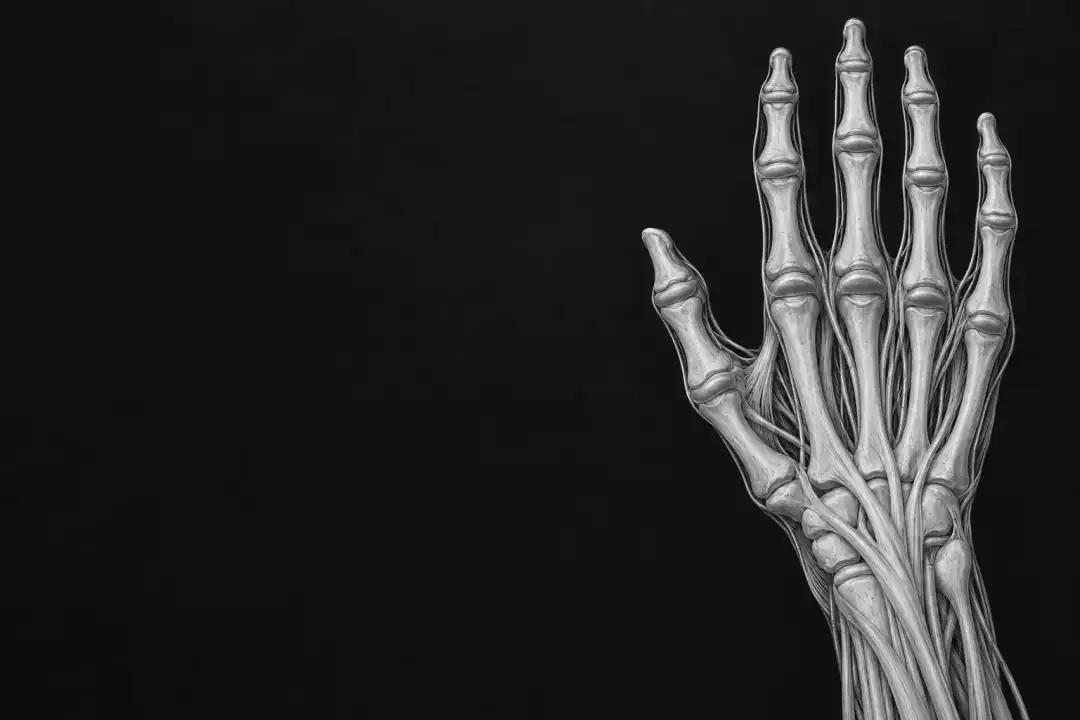
Quick summary Arthritis means a joint that is painful and stiff because its surfaces or lining have changed. The most common kind after fifty is osteoarthritis, the wear-related type. Revive by MWS in Leesburg evaluates the specific joint first, then considers orthobiologic or A2M options where the joint and the type of arthritis make sense for them.
Arthritis rarely arrives all at once. A knee takes longer to get going in the morning, and a hip complains after a round of golf. Hands ache opening a jar. Over a few years the list of things you avoid grows quietly, and it is easy to accept that as simply getting older.
The word covers more than one hundred conditions. Wear-related osteoarthritis is by far the most common in the patients we see, usually in a knee, a hip, the base of the thumb or the spine. Inflammatory types such as rheumatoid arthritis and gout behave differently and need a different kind of specialist.
At Revive by MWS in Leesburg we sort out two questions before anything else. Which joint is involved, and which type of arthritis is it? The answers send you to the right page and, more importantly, the right care.
Understanding Arthritis
Osteoarthritis is gradual change in a joint's cartilage and the bone beneath it, with stiffness and pain that tend to worsen with use. Inflammatory arthritis is driven by the immune system and usually needs a rheumatologist. Telling them apart is the first job.
How it works
Cartilage thins over years
The smooth lining at the ends of the bones wears and roughens. The joint loses some of its cushioning and glide, and movement becomes stiffer.
The bone and lining react
The bone beneath the cartilage thickens and can form spurs. The joint lining may produce extra fluid, which is the swelling some people notice after a busy day.
Muscles weaken around a sore joint
People naturally use a painful joint less. The surrounding muscles lose strength, which puts more load through the joint and makes the next flare more likely.
Who this care helps
- Adults over fifty with gradually worsening joint stiffness
- Morning stiffness that eases within half an hour
- Pain that builds with use and settles with rest
- People whose imaging has already shown wear-related change
- Those wanting a non-surgical option before a joint replacement opinion
Who it does not help
- Several joints swelling at once, especially the small joints of both hands
- Morning stiffness lasting more than an hour, which suggests an inflammatory cause
- A single hot, red, swollen joint, which needs same-day assessment
- Joint pain with fever, rash or unexplained weight loss
Common Symptoms
- Stiffness after sitting or first thing in the morning
- Pain that worsens as the day goes on or after activity
- Swelling around a joint after a busy day
- A grinding or crunching feeling as the joint moves
- Reduced range, such as trouble bending a knee or turning a hip
- Bony enlargement at the finger joints or the base of the thumb
- Aching that changes with the weather
- Giving up activities because a joint no longer tolerates them
Common Causes
01 Age and years of joint use
Osteoarthritis becomes steadily more common with every decade after forty. It is a change in the joint, not simply the result of using it too much.
02 An old injury to the joint
A torn meniscus in your thirties or an ankle fracture decades ago can lead to arthritis in that joint later. The injury changes how load passes through it.
03 Body weight and joint load
Weight-bearing joints feel extra body weight with every step. Even modest weight change alters the load through a knee or hip.
04 Joint shape and alignment
Bowed legs, a shallow hip socket or a flat foot concentrate load on one part of a joint. That section tends to wear first.
05 Inflammatory and metabolic causes
Rheumatoid arthritis, psoriatic arthritis and gout have immune or chemical drivers. They need blood tests and a rheumatologist, and we refer for them.
How Revive Evaluates Arthritis
- 01
Which joint and which side
We examine the joint you came about and the joints above and below it. Hip arthritis often shows up as knee pain, and a worn knee changes how the hip is loaded.
- 02
Signs that point to inflammation
Warm joints, long morning stiffness and symmetrical small-joint swelling suggest an inflammatory type. Those findings lead to a referral, not a local treatment.
- 03
How the joint moves and bears load
Range of movement, strength and walking pattern are measured. They show how much of the problem is the joint itself and how much is the support around it.
- 04
Your existing imaging
We read your X-rays or MRI with you. The amount of wear on a film and the amount of pain you feel often do not match, and both matter.
Treatment Options We May Consider
Approaches we may consider, depending on what the evaluation finds.
Wear-related arthritis at Revive by MWS is managed joint by joint. Orthobiologic preparations from your own blood and A2M are considered for selected joints after evaluation, alongside strengthening and activity changes that support the joint.
 01
Orthobiologic options for a worn joint
02 A2M for selected arthritic joints
Which joint is it? Start with your joint's page
Each joint has its own page, because each one wears differently and responds to different care.
Hands, thumbs and shoulders are examined at the evaluation, and the right next step is explained there.
What the evidence says about arthritis
The NIAMS overview of arthritis and its main types
sets out how the common forms differ and why the type matters for treatment.
Its central point is the one we start from: the word arthritis names a group of conditions, and
good care begins by knowing which one you have.
What to Try First, and When to Seek Care
What to try first, and what should not wait.
Keep arthritic joints moving. Walking, cycling, water exercise and simple strength work help most people more than rest, even when the joint aches at first.
Warmth before activity and short breaks during long tasks both help. A pain reliever you already tolerate is reasonable. Ask your pharmacist if you take other medicines.
Signs that should not wait
- A single joint that becomes hot, red and very swollen within a day
- Joint pain with fever or chills
- Several joints swelling at the same time with long morning stiffness
- A joint that suddenly cannot bear weight after a fall
Expert Care for Arthritis in Leesburg
Arthritis care goes wrong when the joint and the type are not pinned down first. The evaluation here separates wear-related arthritis from inflammatory types, and it looks at the joints either side of the one that hurts.
The complimentary consultation includes a review of your existing X-rays or MRI.
Further reading: the NIAMS overview of arthritis and its main types
Updated September 25, 2026