Quick summary After a car accident, neck and back pain usually comes from strained muscles, ligaments and small spinal joints, and it often appears a day or two later. Any serious injury must be ruled out first. At Revive by MWS in Leesburg, lingering pain may then be treated with decompression, orthobiologic or laser options after an evaluation.
Most people walk away from a low-speed collision feeling shaken but fine. The stiffness arrives the next morning. By the second or third day, turning to check a blind spot hurts and sleep is broken by a sore neck or lower back.
That delay is typical of whiplash and other soft-tissue injuries. Muscles and ligaments stretched in a fraction of a second tighten up over the following hours. The small joints of the spine can be jarred at the same time.
Anyone with a severe headache, numbness, weakness or confusion after an accident needs an emergency department, not a clinic appointment. Once that has been ruled out, Revive by MWS in Leesburg assesses what is still hurting weeks later and why it has not settled. We focus on the injury itself and the care it needs.
Understanding Auto Accident Injury
An auto accident injury is damage from the sudden forces of a collision. The most common result is whiplash, a strain of the neck muscles, ligaments and joints from rapid back-and-forth movement. Mid and low back strains are also common after seat-belted impacts.
How it works
The body moves faster than the muscles can react
In a rear impact the torso is pushed forward and the head lags behind, then whips forward. The neck is stretched through a range it never chose.
Soft tissue tightens over the next day
Small strains in muscle and ligament produce swelling and protective tightening. That is why pain often peaks one to three days after the accident.
The small spinal joints can stay irritated
The facet joints at the back of the neck and lower back can be jarred. When they stay irritated, pain lingers well after the muscle strain has healed.
Who this care helps
- Neck or back pain that started within a few days of a collision
- Stiffness turning the head or bending that has lasted several weeks
- Headaches at the base of the skull since the accident
- People who were checked at an emergency department or urgent care first
- Those wanting non-surgical care for lingering soft-tissue pain
Who it does not help
- Anyone not yet checked after a high-speed collision or a rollover
- Numbness, weakness or tingling in the arms or legs since the accident
- Severe or worsening headache, vomiting or confusion
- Chest or abdominal pain after the seat belt locked
Common Symptoms
- Neck pain and stiffness that began hours or days after the crash
- Reduced ability to turn the head, especially to check a blind spot
- Headaches that start at the base of the skull
- Pain across the shoulders and upper back
- Low back pain after being thrown against the seat belt
- Muscle spasm that makes sitting in a car uncomfortable
- Poor sleep because no pillow position feels right
- Fatigue and difficulty concentrating in the first weeks
Common Causes
01 Rear-end impact and whiplash
The classic mechanism. The head is thrown back and then forward, straining the soft tissue at the front and back of the neck even at modest speeds.
02 Seat belt and side impact forces
A belt that locks holds the pelvis and chest while the spine keeps moving. Side impacts load the neck and mid back sideways, which strains different muscles.
03 Bracing at the moment of impact
Gripping the wheel and pushing into the brake transmits force up the arms and legs. Wrist, shoulder and knee strains are common alongside neck pain.
04 Existing wear in the spine
A neck or back with age-related changes has less room to absorb a sudden force. Pain after an accident may be the first time those changes have caused symptoms.
05 Guarding and reduced movement afterward
Holding the neck still for weeks to protect it causes stiffness of its own. Gentle movement early on generally does better than a collar or bed rest.
How Revive Evaluates Auto Accident Injury
- 01
A screen for anything serious
We ask about the collision, where you were checked and what imaging was done. Any warning sign of fracture or nerve injury leads to referral first.
- 02
Neck and back movement
Range in every direction is measured, and we note which movements reproduce the pain. That separates muscle strain from joint irritation.
- 03
Nerves in the arms and legs
Strength, reflexes and sensation are checked on both sides. Nerve findings change the priority of care immediately.
- 04
Your daily limits since the accident
Driving, sleeping, lifting and work tasks are recorded. They become the measures we use to judge whether the plan is working.
Treatment Options We May Consider
Approaches we may consider, depending on what the evaluation finds.
Lingering auto accident pain at Revive by MWS is treated according to what the evaluation finds. Spinal decompression is considered for disc-related neck or back pain, orthobiologic placement for persistent joint or ligament pain, and laser as a gentle option for sore soft tissue.
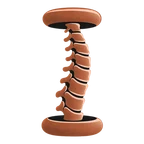 01
Decompression when a disc has been aggravated
 02
Orthobiologic care for a joint that stays sore
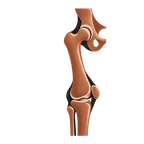 03
Laser for sore muscles and soft tissue
Why pain after a collision is often delayed
Soft tissue injured in a collision does not always hurt right away. Adrenaline, then gradual
swelling and muscle guarding, mean the worst day is often the second or third.
A delay does not make the injury less real, and it does not mean it is serious. It is the usual
pattern for whiplash.
What the evidence says about whiplash
The Cleveland Clinic guide to whiplash
explains how the injury happens, the symptoms to expect and how recovery usually goes.
Its practical point matches ours: most minor whiplash improves with time and movement, and a
smaller group needs more targeted care for pain that lingers.
Keeping the order right
Emergency assessment comes first after any significant collision. The appointment here is for
what remains once that is done, and we will refer back if anything suggests it was missed.
What to Try First, and When to Seek Care
What to try first, and what should not wait.
For a minor strain, keep moving gently within comfort. Short, frequent neck turns and shoulder rolls through the day help more than holding the neck still.
Ice or heat, whichever feels better, and a pain reliever you already tolerate are reasonable in the first week. Take breaks on longer drives while the neck settles.
Signs that should not wait
- Numbness, tingling or weakness in the arms or legs
- A severe headache, vomiting, confusion or unusual drowsiness
- Chest, abdominal or back pain that is getting worse
- Any loss of bladder or bowel control
Expert Care for Auto Accident Injury in Leesburg
After an accident, the right order matters. Serious injury is ruled out first, then the pain that lingers is examined joint by joint and muscle by muscle.
The complimentary consultation includes a nerve check of the arms and legs and a review of any imaging from the emergency department or urgent care.
Further reading: the Cleveland Clinic guide to whiplash
Updated September 25, 2026